
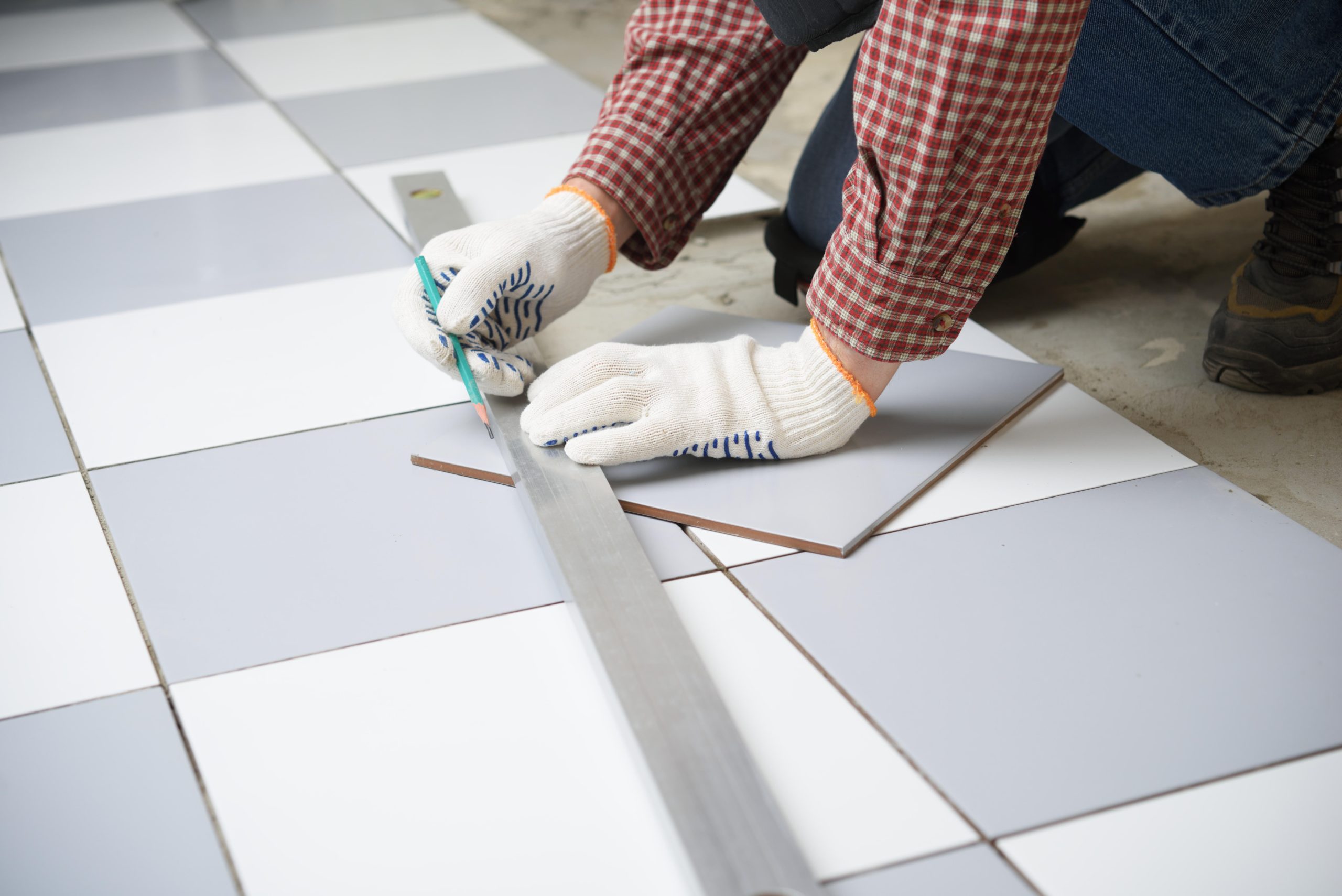
Choosing the perfect flooring for your kitchen is one of the most critical decisions in any home renovation. The kitchen floor in a Fairfax, VA home needs to withstand heavy foot traffic, endure spills, resist stains, and complement your home’s aesthetic. In the world of hard surfaces, tile offers unparalleled durability and style, but the debate often centers on two popular materials: porcelain and ceramic. While visually similar, they possess distinct properties that make one material better suited than the other, depending on your lifestyle and budget. Understanding these differences is essential before you contact professionals for Tiles Installation Services in Fairfax, VA.
What You Should Know: Understanding the Differences in Composition
Though both ceramic and porcelain tiles are made from clay and fired in a kiln, their manufacturing processes result in fundamentally different levels of density and durability.
The Composition of Ceramic Tile
Ceramic tiles are typically made from less refined clay, often containing other minerals, and are fired at a lower temperature than porcelain.
- Porosity: Ceramic tiles are more porous, meaning they absorb more water. This makes them less suitable for areas prone to high moisture, like shower floors or outdoor patios in humid climates, unless specifically glazed.
- Durability and Hardness (PEI Rating): Ceramic is generally softer, making it easier to cut during installation. It performs excellently in moderate-traffic areas like bathrooms or light-use kitchens. Its hardness is measured by the Porcelain Enamel Institute (PEI) rating, generally ranging from PEI 1 to PEI 3 for residential floors.
The Composition of Porcelain Tile
Porcelain tile is made from a finer, denser clay mixture (often containing feldspar and quartz) and is fired at a much higher temperature and under greater pressure.
- Density and Water Absorption: This process makes porcelain exceptionally dense. By industry standards, a tile must have a water absorption rate of 0.5% or less to be classified as porcelain. This density makes it virtually impermeable to moisture, offering superior resistance to deep stains.
- Durability and Hardness (PEI Rating): Porcelain is significantly harder, less prone to chipping, and maintains its color better. It usually carries a PEI rating of 4 or 5, making it ideal for high-traffic commercial spaces and busy residential kitchens in Fairfax, VA.
Key Factors for Your Fairfax, VA Kitchen
The specific demands of a kitchen environment—especially in a climate like Northern Virginia—should guide your material choice.
1. Foot Traffic and Wear Resistance
The kitchen is arguably the highest-traffic area in any home. It sees daily movement, dropped utensils, and dragging chairs.
- Winner: Porcelain. Its superior hardness (PEI 4 or 5) means it is much less likely to scratch, chip, or show wear patterns over time compared to standard ceramic. This is a crucial consideration for busy family homes.
2. Stain and Spill Resilience
Kitchens are notorious for spills—coffee, wine, oil, and acidic foods. A porous surface will absorb these liquids, leading to permanent staining.
- Winner: Porcelain. Due to its minimal porosity, porcelain is highly resistant to staining and does not usually require sealing. Ceramic tiles, especially lighter-colored ones, may require periodic sealing of both the tile and the grout to prevent spills from soaking in.
3. Maintenance and Cleaning
Both materials are relatively easy to maintain, requiring only regular sweeping and occasional damp mopping.
- Equality: For daily maintenance, both perform well. However, because porcelain does not absorb moisture, it may offer a slight edge in terms of preventing mold or bacterial growth within the tile body itself. When considering tile installation Services in Fairfax, VA, ensure you discuss grout sealing, as the grout lines are usually the most challenging part to keep clean.
4. Cost and Installation Complexity
The price point and labor involved can be major deciding factors for homeowners.
- Cost: Ceramic tile is generally less expensive, both in material cost per square foot and labor cost, as it is softer and easier for installers to cut.
- Installation: Porcelain is harder to cut, requiring specialized tools and more time. This means labor costs for porcelain installation are typically higher. If you are focused on budget savings, ceramic may be the preferred route, provided the traffic level is manageable.
Making the Final Decision
For a high-use kitchen floor in your Fairfax, VA home, porcelain is often the superior choice due to its density, resistance to deep staining, and unmatched durability against heavy traffic and abuse. It offers the best long-term return on investment, requiring less maintenance and replacement over the lifetime of the floor.
However, if you are working with a constrained budget, or if your kitchen sees relatively light use (such as a vacation property or a single-person household), high-quality glazed ceramic tile (PEI 3) remains a very viable, cost-effective option.
The final step is consulting with local experts. Whether you choose porcelain or ceramic, partnering with a reputable company for your tile installation Services in Fairfax, VA, ensures that the material is laid correctly. Proper installation is just as important as the material selection itself for guaranteeing the longevity and beauty of your new kitchen floor.