
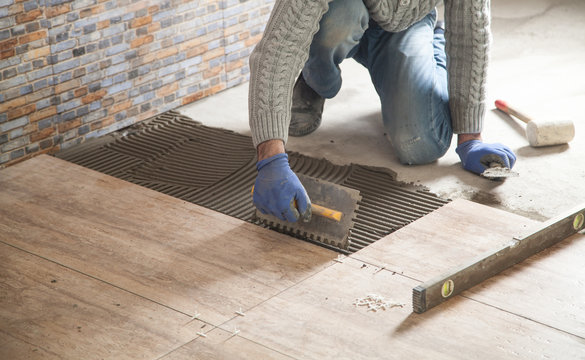
Understanding the financial landscape of a home improvement project is the first step toward a successful outcome. When it comes to upgrading your home’s flooring, especially hard surfaces, the costs can vary widely based on materials, complexity, and the specific labor required. For homeowners seeking quality craftsmanship and enduring results, investing in professional Tiles Installation Services in Fairfax, VA, is a popular and valuable choice. This essential guide breaks down the typical costs associated with flooring installation, ensuring you are prepared and informed before requesting a single bid.
What You Should Know: Factors Driving Flooring Installation Costs
Flooring installation costs are not simply a price per square foot of material. The total budget is influenced by a complex interplay of labor rates, material quality, and the condition of the subfloor.
1. Material Selection (The Primary Variable)
The biggest factor in your budget will be the material you select. Costs are typically calculated per square foot (SF) for the material itself.
- Ceramic and Porcelain: These are generally the most affordable options, ranging from $\$2$ to $\$15$ per SF for the material. They are popular for kitchens, bathrooms, and high-traffic areas.
- Natural Stone (Marble, Travertine, Slate): These materials offer luxury and high durability but come at a premium price, typically starting around $\$8$ and easily exceeding $\$50$ per SF for exotic selections. Their installation also requires specialized labor, increasing the overall cost.
- Luxury Vinyl Tile (LVT) and Laminate: While not traditional tile, these are often installed by tile specialists. They are budget-friendly alternatives, usually ranging from $\$1.50$ to $\$7$ per SF.
2. Labor Rates and Complexity in Fairfax, VA
Labor costs reflect the skill level required, the type of material being handled, and the prevailing wage rates in the Northern Virginia area, which tend to be higher than the national average.
- Standard Installation: Simple, straight-lay ceramic or porcelain in large, rectangular rooms is the least costly.
- Complex Patterns: Installing intricate patterns like herringbone, basketweave, or diagonal layouts requires more cuts, more time, and greater precision, increasing labor costs significantly—sometimes by 20% to 50% above the standard rate.
- Tile Size: Smaller tiles (e.g., mosaic or subway tile) take longer to set and grout than large-format tiles, often resulting in higher labor costs per SF.
Hidden Costs: Preparation and Subfloor Work
A common mistake homeowners make is underestimating the cost of preparing the space. A perfect installation requires a perfect foundation.
3. Subfloor Preparation and Repair
This step is non-negotiable for a professional installation. Tile must be installed on a perfectly flat, structurally sound surface.
- Removal of Old Flooring: The cost of demolishing and disposing of existing flooring (carpet, wood, or old tile) must be included. This usually costs between $\$1$ and $\$3$ per SF.
- Leveling and Patching: Concrete subfloors must be leveled with self-leveling compounds, and wood subfloors may need shims or new plywood underlayment to ensure stability. This process is essential for preventing cracked tiles and grout lines.
- Moisture Barriers: In basements or areas prone to moisture, a waterproofing membrane or vapor barrier must be installed, adding to material and labor costs.
4. Specialized Materials (Setting and Grout)
The quality of the setting materials profoundly affects the longevity of the installation.
- Premium Mortar: Large format tiles or natural stone often require specialized, expensive mortar (thin-set) for proper adhesion and structural support, rather than standard cement mixtures.
- Sealing: Natural stone and certain grout types must be sealed after installation to prevent staining and water absorption. This is an added material and labor step.
The Role of Professional Tiles Installation Services in Fairfax, VA
Hiring a specialized local contractor ensures your project complies with Virginia building standards and provides long-term peace of mind.
5. Local Expertise and Permitting
Professional Tiles Installation Services in Fairfax, VA are familiar with the area’s specific building codes, which can be critical for renovations involving structural changes or plumbing adjustments (like shower remodels).
- Warranties: Reputable contractors offer comprehensive warranties on their labor, covering defects in the installation for a set period. This protects your investment against issues like loose or cracked tiles.
- Efficiency and Equipment: Professionals have the specialized tools (wet saws, large format handling equipment, dust containment systems) to complete the job efficiently, safely, and with minimal mess.
6. The Total Project Cost Estimate
While it is impossible to give a single number, homeowners in Fairfax, VA should generally budget for a total installed cost (material, labor, prep) as follows:
- Budget (Ceramic/Laminate): $\$8$ to $\$12$ per SF
- Mid-Range (Porcelain/LVT): $\$12$ to $\$25$ per SF
- High-End (Natural Stone/Custom Designs): $\$25$ to $\$50+$ per SF
When comparing bids, ensure every Tiles Installation Services in Fairfax, VA provider includes a clear line item for all prep work, material quantities, and disposal. Never choose the lowest bid without first verifying the quality of the materials and the experience of the crew. A cheap installation that fails in two years will always cost more than a quality installation that lasts for decades.